
About Dr. Rachele Pojednic
Rachele Pojednic, PhD, EdM, FACSM, is the Head of Science at Momentous and holds a faculty appointment in the Program on Human Biology at Stanford University where she leads education and industry partnerships at Stanford Lifestyle Medicine and FASTR. She was previously the Chief Science Officer at RestoreLabs and Restore Hyper Wellness and has served as a Research Associate at the Institute of Lifestyle Medicine at Harvard Medical School, as an award-winning Instructor at the Harvard Extension School, and as a tenure-track faculty member at Norwich University and Simmons University.
For the past decade, Dr. Pojednic’s research has examined how nutrition, supplementation, and physical activity shape muscle physiology, performance, and recovery, as well as muscle-related chronic disease. Her work increasingly focuses on women’s health and sex-specific longevity outcomes. She has been funded by the National Heart, Lung, and Blood Institute (NHLBI) of the National Institutes of Health (NIH) and by the Vermont Biomedical Research Network (VBRN), an NIH IDeA Network of Biomedical Research Excellence (INBRE) program as well as by industry partnerships such as Niagen Biosciences and Reebok,
Dr. Pojednic has published widely on NAD+ precursors, vitamin D, and cannabidiol (CBD) supplementation and their effects on skeletal muscle in health and disease. Her other publications cover muscle physiology and aging with a focus on sarcopenia, physiologic markers of muscle recovery in warfighters, nutrition and exercise interventions for obesity and type 2 diabetes.
Dr. Pojednic serves on the Board of Trustees for the American College of Sports Medicine (ACSM) and the Governance Board for ACSM Exercise Is Medicine® (EIM) initiative. She has also served as co-chair of the ACSM EIM Education Committee, Interim Executive Director for the Prescription for Activity Task Force, and on The American Council on Exercise (ACE) Industry Advisory Panel. Dr. Pojednic has a particular passion for science communication and has been a consultant and writer for several organizations, including Time, The Washington Post, Popular Science, Self, Shape, Women's Health, Forbes, Runner's World, and Boston Magazine. She has also been a member of the fitness community for over twenty years as an indoor cycling instructor and an ambassador for Specialized and Lululemon.
Dr. Pojednic received her PhD from the Tufts University Friedman School of Nutrition Science and Policy in Biochemical and Molecular Nutrition & Exercise Physiology. She also holds an EdM in Physical Education and Coaching from Boston University and a BS in Cardiopulmonary and Exercise Science from Northeastern University. Her research at Tufts was completed in the Nutrition, Exercise Physiology and Sarcopenia laboratory at the USDA Human Nutrition Research Center on Aging, where she was awarded the Ruth L. Kirschstein National Research Service Award by the National Heart, Lung, and Blood Institute. She holds a Certified Strength and Conditioning Specialist (CSCS) certification from the National Strength and Conditioning Association (NSCA) and is a board-certified Health Coach from the National Board of Health and Wellness Coaches (NBHWC).
Credentials
Postdoctoral Training — Harvard Medical School, Joslin Diabetes Center & Spaulding Rehabilitation Hospital
PhD — Tufts University Friedman School of Nutrition Science and Policy, Biochemical and Molecular Nutrition
MS — Tufts University Friedman School of Nutrition Science and Policy, Biochemical and Molecular Nutrition
EdM — Boston University, Physical Education and Coaching
BS — Northeastern University, Cardiopulmonary and Exercise Science
CSCS — Certified Strength & Conditioning Coach, NSCA
NBHWC — National Board Certified Health and Wellness Coach
Speaking Engagements
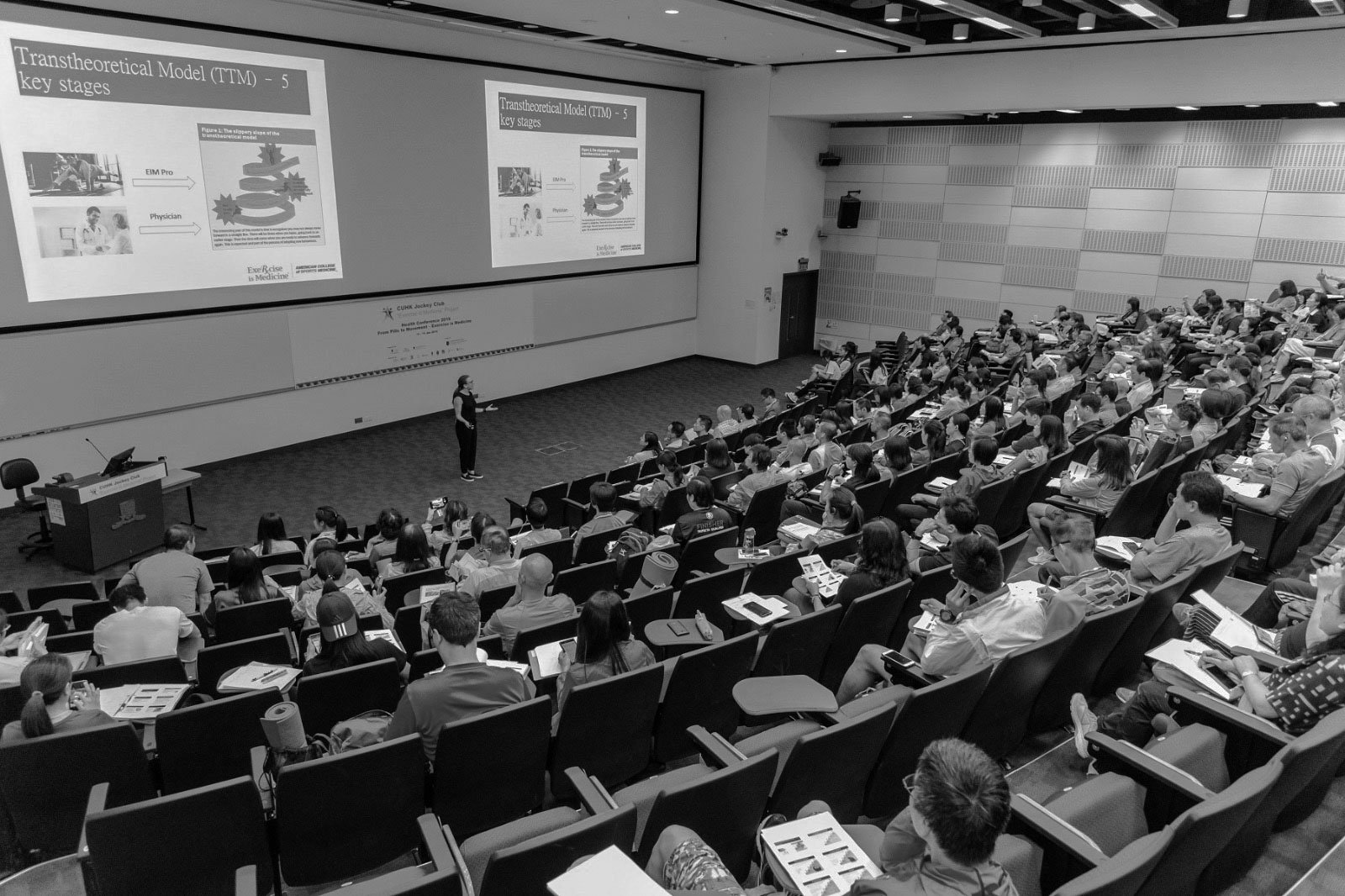
Dr. Pojednic is available to speak internationally at nutrition, physical activity, public health, fitness/wellness, academic, corporate and continuing medical education conferences. She is available for in-person, remote and podcast engagement. Her talks typically focus on the translation between the scientific evidence of healthful eating and physical activity.
